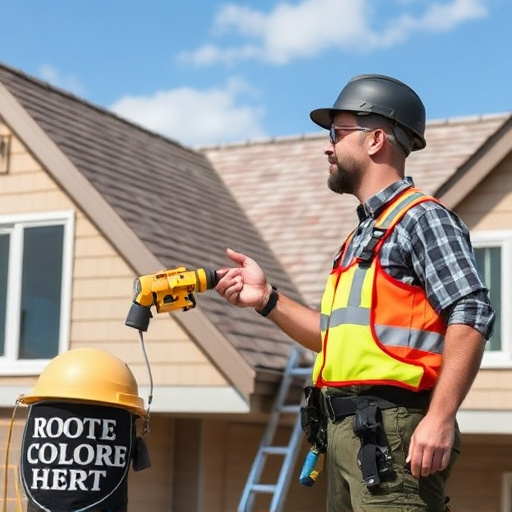
Finding a reliable roofer in Tucson is a crucial step in ensuring your home's or property's roof is in expert hands. With numerous roofing companies in the area, choosing the right one can be overwhelming. This guide aims to navigate you through the process, from your initial inquiry to the final walkthrough, empowering you to make informed decisions. We'll explore practical strategies to verify a roofer's legitimacy, including checking their Arizona ROC license, understanding insurance and bonding, and spotting potential red flags. With over a decade in business, DC Roofing of Arizona has honed its expertise in serving Tucson and Oro Valley, offering insights into every step of the roofing project, from communication to warranty service, to ensure a seamless and successful outcome.
- Choosing the Right Roofer: Tips for Selection
- Project Planning: From Estimate to Completion
- Expert Guidance: Roofer Work Quality Assurance
- Final Walkthrough: Ensuring Customer Satisfaction
Choosing the Right Roofer: Tips for Selection

When choosing a roofer, one of the most important factors is the roofing company's years in business. Experience is a sign of a company's stability and commitment to quality work. Look for a licensed Arizona roofer with a proven track record, particularly one that has been serving Tucson and Oro Valley for many years. This longevity suggests a strong customer base and a deep understanding of the local building codes and regulations, such as those required for HOA approval.
A roofing company's history also reveals its ability to adapt to changing industry standards and technologies. A company that has been in operation for several decades is more likely to offer a range of roofing options, from traditional tile to modern foam roofing. This versatility can be beneficial, especially if you have specific preferences or need a roofer who can handle both residential and commercial projects. When researching, don't overlook the company's online reviews and testimonials, which can provide valuable insights into their reputation and service quality.
To experience, ensure the roofer holds a current ROC (Roofing Contractor) license. This license is mandatory in Arizona and demonstrates that the company meets the state's standards for safety, insurance, and professionalism. A licensed roofer is more likely to follow proper procedures, use quality materials, and provide adequate warranties. It's also a good indicator that the company is invested in maintaining a good standing within the industry and community. Avoid companies that rely heavily on door-to-door sales tactics or those that cannot provide references-red flags that may suggest a lack of legitimacy or stability.
Project Planning: From Estimate to Completion

Planning for a successful roofing project involves a detailed process, from initial estimate to final completion. When working with a licensed Arizona roofer with several years in business, understanding the project timeline and expectations is crucial.
After the initial consultation, a reputable roofing company will provide a detailed estimate outlining the scope of work, materials, and labor costs. This estimate acts as a foundation for your project, and any changes should be documented through a change order. If you decide to upgrade to a more durable roofing material, the company should file a change order, ensuring transparency and preventing unexpected charges. Bonding is another critical aspect; many roofing contractors offer performance and material bonds, providing additional protection for your investment. These bonds guarantee the quality of the work and financial responsibility, offering peace of mind throughout the project.
During the project, open communication is essential. Regularly schedule progress updates to stay informed about milestones, potential delays, and any issues that require attention. Be sure to ask about the manufacturer's warranty on the materials and the company's warranty on the workmanship. A well-established roofing company with a proven track record will usually offer both, ensuring long-term protection for your roof. A 20-year manufacturer's warranty on shingles and a 5-year labor warranty from the contractor provide homeowners with significant reassurance.
As the project nears completion, a final walkthrough is mandatory. This step allows you to inspect the work, ensuring it meets your expectations and the building codes. Address any concerns or defects during this walkthrough, and remember, a professional roofer should be prepared to provide references and a detailed history of their company's years in business, demonstrating their expertise and reliability.
Expert Guidance: Roofer Work Quality Assurance

Ensuring quality workmanship is paramount when working with any contractor, especially for your roof-a critical component of your home or business's structure. When you engage a roofer, consider their experience, reputation, and the length of time they've been serving the community. A roofing contractor serving Tucson and Oro Valley with a solid track record, for instance, DC Roofing of Arizona, has likely navigated the unique challenges of this region for many years. This longevity indicates a deep understanding of local building codes, weather patterns, and the types of roofs commonly found in these parts.
In the context of quality assurance, it's crucial to verify their credentials and insurance. Look for a company with a strong history and general liability insurance, which protects both the contractor and the client. A licensed Arizona roofer, like DC Roofing, will have passed the required examinations and adheres to the state's building codes. Ask for their ROC (Register of Contractors) license number and verify it online. Inquire about their warranty policy and post-completion support, as a reputable roofing company will stand behind their work with a written guarantee and offer maintenance plans.
Beyond the initial hiring process, effective communication and clear expectations are key to a successful project. Ensure the roofer provides detailed, written estimates and scope of work. During the project, regular updates and open lines of communication are essential, especially during monsoon season when scheduling can be tricky. Be wary of any door-to-door sales or roofers who are unwilling to discuss the details of their work. A well-established, long-in-business roofing company will be transparent and professional throughout the entire process, from the initial roofer visit to the final walkthrough.
Final Walkthrough: Ensuring Customer Satisfaction

As you prepare for the final walkthrough with your roofer, it's crucial to ensure that the job is not just complete, but to your complete satisfaction. This is your chance to assess the work performed, verify the quality of the materials used, and ensure that the project was executed according to your specifications and local building codes, such as those enforced by Pima County.
A seasoned roofer, particularly a licensed Tucson roofing contractor with many years in business, will approach the final walkthrough as a collaborative process. They'll review the work with you, point out key features, and address any questions or concerns. During this visit, you should expect a detailed breakdown of the materials used, the steps taken to complete the project, and a clear explanation of the company's warranty and post-installation maintenance recommendations. This is also a good time to check for any necessary permits, as the roofer should be able to provide proof that all necessary documentation is in order, including workers' compensation for their crew, which is vital in ensuring their safety and your protection.
Beyond the technical aspects, the final walkthrough should also cover the overall cleanliness and appearance of the work site. A professional roofer, especially one with a strong reputation in Sahuarita and the surrounding areas, will leave the site clean and free of debris, matching the pre-work conditions as closely as possible. They should also be prepared to discuss any future maintenance needs, such as regular inspections or repairs, to ensure longevity of the new roof. By the end of this walkthrough, you should have a clear understanding of the work completed, the quality of the materials, and the level of service provided.
Frequently Asked Questions About a Guide to Working with a Roofer from First Call to Final Walkthrough
What should I look for when hiring a roofer?
When selecting a roofer, prioritize licensed and insured professionals. Look for companies with a proven track record, positive customer reviews, and specialized experience in your type of roofing project. Verify their membership in local trade associations and request references. Ensure they provide a detailed proposal outlining materials, labor, and project timelines.
How do I prepare for a roofing project before the roofer arrives?
Before the roofer's arrival, clear the work area of debris and obstructions. Ensure easy access to all areas of the roof. Gather any important documents, such as your property insurance details, and make sure you understand the project scope and timeline. Communicate any concerns or specific requirements to the roofer beforehand.
What is the typical process from initial contact to final walkthrough?
After initial contact, the roofer will conduct an on-site inspection to assess the project's scope. They'll provide a detailed quote, which you should review and discuss. If accepted, they'll schedule the project and acquire necessary permits. During the project, regular communication is key. Once complete, a final walkthrough ensures the work meets your expectations.
What questions should I ask during the initial consultation?
Ask about their licensing, insurance, and warranty coverage. Inquire about their experience with similar projects and their approach to problem-solving. Understand their project timeline, expected materials, and any potential additional costs. Also, discuss post-completion support and maintenance recommendations.
How do I ensure the roofer's work meets quality standards?
Quality is assured through thorough communication, clear expectations, and regular site visits. Ask for references and previous customer feedback. Reputable roofers should be able to provide examples of their work and certifications. Always request a detailed, written guarantee for the work performed.
Throughout this guide, we've explored the ins and outs of working with a roofer, from the initial search for a qualified professional to the final walkthrough. Key insights include the importance of verifying a roofer's Arizona ROC license, ensuring they have the proper insurance and bonding, and checking for genuine reviews-all crucial steps in finding a trustworthy expert. We've also highlighted the significance of clear communication throughout the project, understanding the difference between residential and commercial roofing needs, and knowing what to expect during site visits and final inspections.
We've underscored the value of experience: a roofing company's years in business can signal expertise and reliability. When choosing a roofer, consider their track record, references, and the quality of their workmanship, as these factors are essential for a successful roof installation or repair.
Finally, remember that a well-planned project leads to a satisfied customer. By following these guidelines and leveraging the expertise of a reputable roofing company, you can ensure a seamless roofing experience, from start to finish.
When selecting a roofer, prioritize experience: look for a licensed, local Arizona roofer with a proven track record in Tucson and Oro Valley, demonstrating stability and expertise. Check for longevity, versatility, and positive online reviews. Ensure the roofer holds a current ROC license for safety and professionalism.
For a successful project, follow these steps:
1. Planning:
- Detailed estimate and change orders for modifications.
- Performance and material bonds for protection.
2. Communication:
- Regular progress updates.
- Inquire about warranties on materials and workmanship.
3. Quality Assurance:
- Verify credentials, insurance, and ROC license.
- Post-completion support and maintenance plans.
4. Final Walkthrough:
- Verify work quality, material usage, and code compliance.
- Check for permits and worker safety.
- Discuss future maintenance needs.