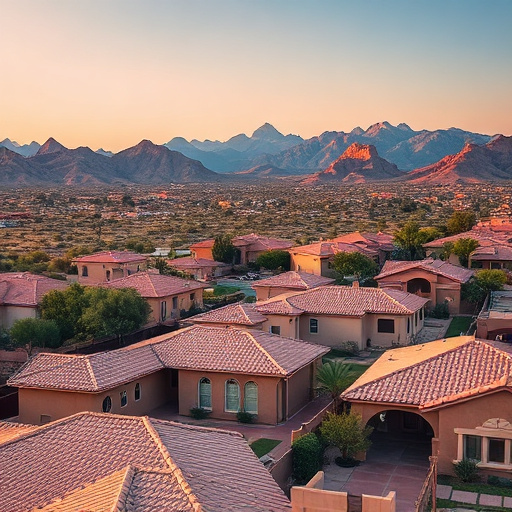
In the vibrant, sun-drenched landscape of Tucson, a well-structured roof project is not just about aesthetics-it's a critical component of your home's or property's safety and energy efficiency. However, navigating the process of finding, hiring, and working with a qualified roofer can be daunting. This guide is designed to empower both homeowners and building managers by demystifying the journey from the initial contact to the final walkthrough, focusing on clear communication and ensuring a project that meets both legal and functional standards. We'll examine key aspects like vetting roofers, understanding legal requirements, and maintaining open lines of communication-all crucial for a successful roof project.
- Understanding the Roof Project: Initial Consultation
- Hiring a Licensed Roofer: Key Considerations
- Project Execution: Communication and Timelines
- Final Walkthrough: Ensuring Quality and Satisfaction
Understanding the Roof Project: Initial Consultation
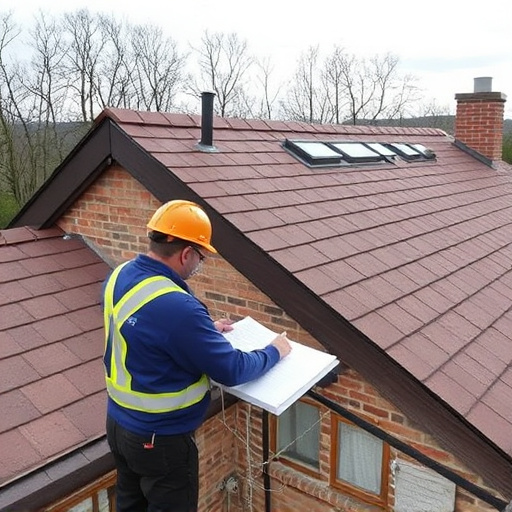
When you're facing a roofing project in Sahuarita or Pima County, effective roof project communication is crucial. From the initial consultation to the final walkthrough, clear and open dialogue with your chosen roofer can ensure the job is completed to your satisfaction and within your budget.
The first step in any roof project is understanding the scope of work. During the initial consultation, your roofer should conduct a thorough inspection, taking note of the type of roof, its age, condition, and any necessary repairs or replacements. They might identify a need for new shingles, underlayment, or even a complete roof replacement. This assessment should be accompanied by a detailed, written estimate outlining the project's cost, timeline, and any potential hidden fees.
Asking the right questions is key during this phase. A competent roofer will be able to explain their process, the materials they use, and their pricing structure. They should also discuss the building codes and permits required for the work, ensuring your project complies with local regulations. Inquire about their experience handling similar projects, their insurance coverage, and the steps they take to manage subcontractors if needed. Remember, a Tucson roofer with an Arizona ROC license (roc license) is required by law to adhere to strict standards, offering you greater peace of mind.
Deposits are a common practice, but be sure to understand the terms. A 1-3% deposit may be required to initiate the project, with the balance due upon completion. Discuss these expectations upfront to avoid misunderstandings later. For larger projects, a down payment schedule could be agreed upon, ensuring both parties are protected. This open communication not only sets the tone for the entire project but also helps you make informed decisions and avoid potential red flags.
Hiring a Licensed Roofer: Key Considerations

For hiring a licensed roofer, the process begins with a crucial first step: thorough vetting. This is where you'll want to focus on key considerations to ensure you're working with a reputable professional. Start by confirming the roofer's Arizona ROC (Roofing Contractors License) status. This is non-negotiable; it's your assurance that the contractor is legally authorized to operate in your area, specifically the ROC license for Tucson. Check their website, marketing materials, or ask directly for verification.
A licensed roofer in Tucson, like those from DC Roofing of Arizona, serving Tucson and Oro Valley, will have met strict criteria for education, experience, and insurance. This includes general liability insurance and worker's compensation, which protect both the homeowner and the contractor's employees. Also, seek evidence of a bond, which is a financial guarantee that the contractor will complete the job according to the agreed-upon terms. In Marana or Midtown Tucson, these protections are essential, especially when dealing with complex or high-value roof projects.
Communication is key throughout the roof project. Request a written contract that outlines the scope of work, materials, timeline, and pricing. This document should be detailed, transparent, and easy to understand. A good contract will also include clauses regarding payment schedules, warranties, and responsibilities in case of changes or delays. In the monsoon season, scheduling and communication become even more critical, as unexpected weather can impact project timelines.
Remember, a professional roofer will be happy to answer your questions and provide references. Don't be afraid to ask about their experience, especially with similar projects in your neighborhood or a project scope similar to yours. This is your opportunity to gauge their expertise and gain insights into their project management, from initial site visits to final walkthroughs. By focusing on these key considerations, you'll be well on your way to a successful roof project, ensuring a new or repaired roof that stands the test of time.
Project Execution: Communication and Timelines

Effective communication and clear timelines are crucial for a successful roof project. From the initial consultation to the final walkthrough, open and consistent dialogue between the homeowner and the roofer is essential. Start by scheduling a thorough roofing company visit where you can discuss your needs, ask questions, and get a detailed scope of work. This is your opportunity to understand the process, materials, and potential challenges, and to ensure the roofer is the right fit for your project.
A licensed Arizona roofer will provide a written estimate outlining the scope, materials, and timeline. Be wary of estimates that seem too good to be true, and always check for a valid ROC license. Online resources like the Arizona ROC website allow you to verify a contractor's license and check for any complaints. Once you've chosen a roofer, establish clear communication channels. Regularly update the project status, discuss any changes, and address concerns promptly. Many roofing companies use project management software to keep track of tasks, deadlines, and communication, ensuring everyone is on the same page.
Timelines for roofing projects can be tight, especially during peak seasons. It's not uncommon for roofing jobs to take one to two days, depending on the complexity and size. A reputable roofer will be upfront about their scheduling capabilities, especially during monsoon seasons when work may slow down due to weather conditions. Be prepared for potential delays and have a backup plan. Change orders, which are formal requests for modifications to the original scope, should be discussed and agreed upon in writing to avoid misunderstandings. Regularly check in with your roofer to ensure the project stays on track and communicate any changes promptly to maintain a smooth and efficient roof project.
Final Walkthrough: Ensuring Quality and Satisfaction
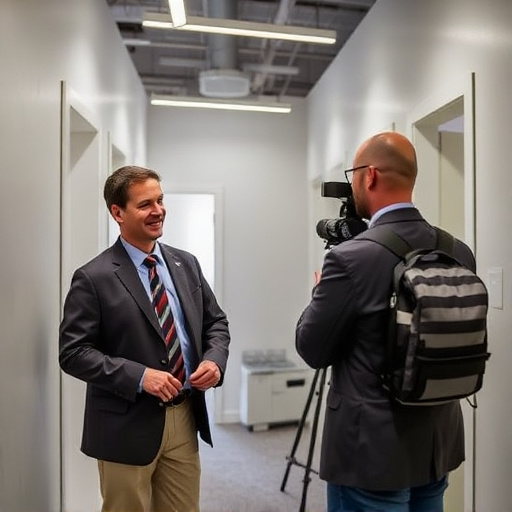
The final walkthrough is a crucial step in ensuring your roof project meets your expectations and complies with local building codes. It's the point of culmination for all the planning and preparation, and it serves as a final quality check before considering the job complete. During this visit, you'll want to thoroughly inspect the work performed, verify that all agreed-upon tasks have been accomplished, and confirm the job has been done to your satisfaction and according to industry standards.
At DC Roofing of Arizona, we encourage open and transparent communication throughout the entire process, including the final walkthrough. We'll ask for your input on the work completed, addressing any concerns or questions you might have. Our team will be prepared to provide detailed explanations about any aspect of the work, from materials used to installation techniques. We also recommend bringing along a representative from the Better Business Bureau to observe the walkthrough and ensure both parties are aligned on the project's outcome. This additional layer of oversight can help prevent misunderstandings or disputes down the line.
A key aspect of the final walkthrough involves reviewing any necessary paperwork, including a lien waiver from the roofing contractor. This legal document protects you from potential financial claims from subcontractors or suppliers and ensures all debts related to the project have been settled. We'll guide you through the process of signing this waiver, ensuring it's a mutually agreed-upon and accurately completed document. If any issues arise that were not immediately apparent, we'll document them and discuss potential solutions, whether that means correcting the problem or adjusting the final invoice accordingly.
As you consider a roofer for your project, remember that a thorough final walkthrough is non-negotiable. It's a critical part of the process, as it bridges the gap between the completed work and your satisfaction. Just as you'd verify the quality of a meal before leaving a restaurant, this walkthrough ensures the quality of the roofing job before you pay the bill. During the final walkthrough, we'll discuss the terms of this warranty, ensuring you understand what's covered and for how long, giving you peace of mind that your investment is protected.
Frequently Asked Questions About a Guide to Working with a Roofer from First Call to Final Walkthrough
What should I look for when hiring a roofer?
When selecting a roofer, prioritize licensed and insured professionals with a proven track record. Look for companies that specialize in your specific roofing needs. Request references, check online reviews, and ensure they have a current Arizona ROC (Roofing Contractor) license. Verify their insurance coverage, especially liability and worker's compensation, to protect against potential risks.
How do I prepare for a roofing project before the roofer arrives?
Before the roofer's arrival, clear the work area of debris and furniture. Protect indoor areas with drop cloths or plastic sheeting. Remove valuable items from the work zone. Ensure adequate outdoor access for materials and equipment. Prepare a list of questions or concerns to discuss with the contractor. Being prepared enhances communication and efficient project execution.
What is the typical timeline for a roofing repair or replacement?
Most roofing installations take one to two days, depending on the project's scope and complexity. This includes preparation, material procurement, and completion. Some smaller repairs may be completed in a single day. However, complex projects involving structural repairs or custom designs may take longer. The roofer should provide a detailed timeline upon agreeing to the project.
What should I do if I notice any issues after the roofing project is completed?
If you notice any issues after the project conclusion, document them with photos or videos. Contact the roofer promptly to discuss the problems. They should address any defects or subpar work according to the terms of your contract. Many roofing companies offer warranty coverage for their work, ensuring peace of mind for post-project issues.
How can I ensure the roofer respects local building codes and regulations?
Reputable roofers should be familiar with local building codes and regulations. Ask them about their experience with code compliance and request copies of relevant permits. They should be able to provide assurances that their work adheres to all necessary standards. Verifying code compliance ensures your roof is safe and legally sound.
What is the best way to communicate with the roofer during the project?
Effective communication is crucial. Establish a primary point of contact, typically the project manager or owner of the roofing company. Provide them with your preferred method of communication, whether by phone, text, or email. Schedule regular updates and be responsive to their communications. Clear and consistent communication ensures everyone is aligned on project goals and timelines.
Navigating a roof project successfully involves a strategic approach from initial consultation to final walkthrough. Understanding the key aspects of roofing, like the difference between residential and commercial projects or the benefits of tile and foam roofing specialists, is crucial. Hiring a licensed roofer in Arizona, such as DC Roofing of Arizona, requires thorough vetting, including checking their ROC license, insurance, and bonding. Effective communication and clear expectations are vital throughout the process, from scheduling during monsoon season to managing subcontractors and crew cleanup. The final walkthrough is the consumer's opportunity to ensure quality and satisfaction, prompting open dialogue with the contractor. By prioritizing these key considerations and maintaining open roof project communication, property owners can ensure their roof installations or repairs meet high standards and stand the test of time.
Hiring a roofer in Sahuarita or Pima County requires thorough communication and clear expectations. Start with confirming the contractor's Arizona ROC license, ensuring they're legally authorized. Request a detailed, written contract outlining the scope, timeline, and pricing. Maintain open communication throughout, using project management tools if needed. Schedule a final walkthrough to inspect work, verify completion, and ensure satisfaction. This process ensures a successful roof project, protecting your investment and peace of mind.