
Finding a reliable roofer in Tucson is crucial when facing roof repairs or replacements, ensuring your home is protected and your investment is secure. However, navigating the process of hiring a contractor can be daunting, especially with concerns about permits, insurance, and the deluge of paperwork. Many homeowners fall victim to poorly executed projects or fraudulent practices due to a lack of understanding in these areas. This guide aims to empower you, the homeowner, by demystifying the essential legal and administrative aspects of roof work, focusing on roofers with a Tucson office who operate in compliance with local building codes and regulations.
- Understanding Tucson's Roofing Permit Requirements
- Insurance Essentials for Roofers in Tucson
- Navigating Paperwork: Licensing and Compliance
- Protecting Your Investment: Best Practices for Tucson Roofers
Understanding Tucson's Roofing Permit Requirements
Understanding Tucson's Roofing Permit Requirements
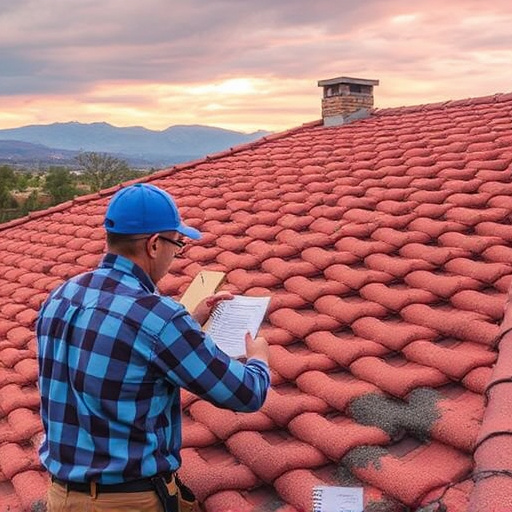
When undertaking roofing work in Tucson, navigating the permit process is crucial. The City of Tucson, through its Building Department, oversees the issuance of permits for various construction projects, including roofing. One key aspect is ensuring compliance with local building codes, which dictate construction standards to maintain safety and quality. Specific requirements may apply to the type of materials used, structural integrity, and energy efficiency standards.
Roofers with a Tucson office should be well-versed in these regulations to streamline the permit acquisition process. The first step involves a thorough understanding of the project scope and identifying any potential permit types. Common permits for roofing projects include building permits, electrical permits, and mechanical permits. For residential properties, obtaining HOA approval might also be necessary, especially in neighborhoods with strict design guidelines. An experienced Tucson roof specialist can guide clients through this process, ensuring all permits are correctly applied for and acquired before work begins.
Once permits are secured, roofers must adhere to another critical aspect: insurance and bonding. Adequate insurance coverage protects both the homeowner and the roofer from potential risks and liabilities. This includes general liability insurance, which covers property damage or personal injury, and workers' compensation insurance, which provides protection for roofing crew members. Some roofers may also offer bond services, adding another layer of financial security to the project. Checking the Better Business Bureau (BBB) for a roofer's rating and reviews can help verify their legitimacy and insurance status, especially when dealing with substantial projects.
In the case of complex or high-value roofing projects, especially in areas like Green Valley, where property values are high, ensuring proper permits, insurance, and paperwork is even more critical. Homeowners should demand transparency from roofers regarding their licensing, insurance, and the availability of written scopes of work. This not only protects the homeowner but also promotes accountability and quality workmanship throughout the project, from initial consultation to the final walkthrough.
Insurance Essentials for Roofers in Tucson

Roofers in Tucson, and particularly those with a local office, face unique challenges for insurance and permits. These are essential components of any roofing project, ensuring compliance with building codes and protecting both the homeowner and the roofer. Working in Pima County, a roofer must navigate not only the building codes specific to the region but also the insurance requirements that safeguard against risks inherent in the trade.
When hiring a roofer, it's crucial to verify their insurance coverage, as this is a clear indicator of their professionalism and financial stability. A reputable roofer with a Tucson office will carry several types of insurance, including general liability, which covers property damage and bodily injury, and workers' compensation, which protects both the employees and the employer. Some roofers offer a workmanship warranty, providing extra peace of mind for homeowners. This is a significant advantage when dealing with a local Tucson roofing company, as it demonstrates their confidence in their work.
As for permits, roofers must obtain the necessary documentation before starting any work. In Tucson and Oro Valley, this typically involves submitting an application and paying the required fees. A licensed roofer will be familiar with this process and can assist in ensuring all permits are in order, which is vital to avoid legal issues and potential fines. Many roofers who handle insurance claims also excel in navigating these administrative tasks, making them a one-stop solution for both practical and legal aspects of roof work.
Remember, when considering a roofer, ask about their insurance coverage and permit practices. A local Tucson roofing company that prioritizes these areas can make all the difference in a successful and stress-free roofing project, especially when dealing with the unique considerations of the region, such as monsoon seasons and local building codes in places like Oro Valley.
Navigating Paperwork: Licensing and Compliance

Navigating the complex web of permits, insurance, and paperwork is a crucial step in any roof replacement or repair project. This process can be especially daunting for Tucson homeowners, but understanding the requirements is key to ensuring a smooth and compliant project. When working with roofers with a Tucson office, it's important to know that they must adhere to strict licensing and regulatory guidelines, which are enforced by the Arizona Registrar of Contractors (ROC).
In Arizona, roofers are classified under the "Contractor" license category, which requires a comprehensive understanding of building codes, safety regulations, and project management. Before hiring a roofer, verify their license classification and ensure they hold a current ROC license. This can be done through the official Arizona ROC website, which provides a searchable database for licensed contractors. The website allows you to confirm not only the license status but also the company's history, including any complaints or disciplinary actions. Checking the ROC database can reveal if a roofer has a proven track record of compliance or if there are any red flags associated with their license.
One critical aspect of working with a professional roofer is understanding the permitting process. In Tucson, roof replacements and repairs often require permits, which are issued by the local building department. These permits ensure that the work complies with the building codes and safety standards. When a Tucson roofer with an Arizona ROC license submits a permit application, they must provide detailed plans, specifications, and estimated costs. This documentation not only protects the homeowner but also facilitates a smoother approval process. It's essential to communicate with your roofer about their permitting procedures and any associated costs, ensuring that you're aware of all potential fees before work begins.
Protecting Your Investment: Best Practices for Tucson Roofers
Protecting Your Investment: Best Practices for Tucson Roofers
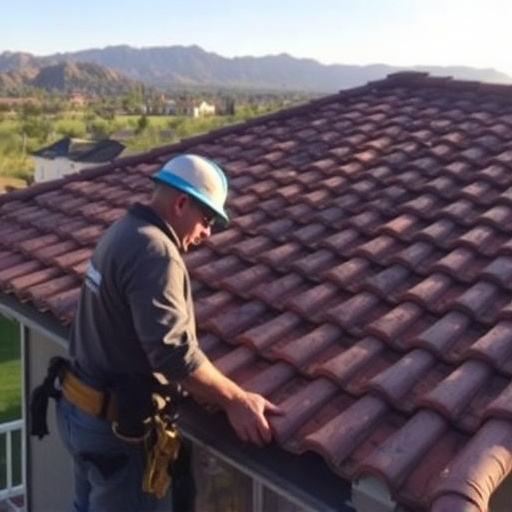
For roof work, especially in Tucson, a city with a unique climate and building codes, proper permits, insurance, and paperwork are non-negotiable. These aspects are crucial not just for legal compliance but also for ensuring the longevity and quality of your new roof. Let's break down what every Tucson homeowner and roofer should know.
The City of Tucson requires permits for roof replacements or repairs, ensuring that work meets safety standards. A licensed Arizona roofer with a Tucson office should guide you through this process, helping to obtain the necessary permits and understanding the local building codes. This includes a permit for any work involving a change in the roof's structural elements, such as the deck, underlayment, or flashing. The roofer should also be familiar with the requirements for energy efficiency and water conservation, as Tucson has specific guidelines for these areas.
Workers' compensation insurance is a critical aspect that roofers must have, protecting both the workers and the property owner. In Arizona, including Tucson and Marana, roofers must be insured to cover workplace injuries. This is a vital component of hiring a reputable roofer. A genuine, licensed Arizona roofer will not only carry the required insurance but also display it upon request, giving you peace of mind. They should also provide a copy of their insurance certificate, detailing the coverage limits and the insurance company's information.
To insurance, a professional roofer will provide a detailed scope of work, a written contract, and a post-job warranty. The scope should clearly outline the project's scope, materials, and labor costs, leaving no room for confusion. A licensed Arizona roofer with a Tucson office will also ensure that all subcontractors, such as those specializing in tile or foam roofing, are properly licensed and insured, protecting you from potential liability. After the job, they should conduct a final walkthrough, addressing any concerns and ensuring your satisfaction.
Frequently Asked Questions About an Explainer on Permits, Insurance, and Paperwork for Roof Work
What is the first step in getting a new roof?
The initial step is to get a professional assessment. A licensed Tucson roofing contractor like DC Roofing of Arizona will inspect your property, evaluate the condition of your existing roof, discuss your needs and options, and provide a detailed estimate. This assessment is crucial because it determines the scope of work and the materials needed, which directly impact the cost.
Do I need a permit for roof repairs?
Yes, permits are almost always required for roof work in Tucson. The specific permit needed depends on the extent of the repairs and local building codes. Your roofing contractor should handle the permitting process, as acquiring the necessary permits is a legal requirement and ensures your work complies with safety standards.
How do I know if my roof insurance coverage is sufficient?
Contact your insurance provider to review your policy and understand what is covered under your roof insurance. They can explain deductibles, coverage limits, and any specific exclusions. Remember, not all types of roof damage are covered equally, so it's essential to understand your policy's terms before starting any repair work.
What types of insurance do roofing contractors have?
Roofing contractors in Tucson are required to carry general liability insurance to protect against accidents and property damage that may occur during the job. They may also carry worker's compensation insurance if they employ workers. Some contractors opt for additional insurance to cover against specific risks, like wind damage or hail storms.
Who is responsible for obtaining building permits?
The roofing contractor is typically responsible for obtaining the necessary building permits. They are familiar with the permitting process and will ensure your project complies with local building codes.
What happens if I don't get proper permits for my roof work?
Failing to obtain proper permits can result in legal issues and penalties. Your roof work may be considered illegal, leading to fines or the requirement to tear out and replace any work done without a permit. Always prioritize compliance to avoid these problems.
For roof work in Tucson, understanding the regulatory landscape is crucial. By adhering to the city's roofing permit requirements, ensuring adequate insurance, and navigating the necessary paperwork, roofers with a Tucson office can demonstrate their professionalism and protect their clients' interests. This article has provided a practical guide to these essential aspects, empowering readers to make informed decisions and ensuring their roofing projects are both safe and compliant.
The key takeaways are clear: obtaining the right permits, verifying roofer insurance, and reviewing comprehensive paperwork are vital steps in any roofing project. By prioritizing these aspects, property owners can expect quality work, avoid potential legal issues, and safeguard their investments. This practical knowledge equips readers to communicate effectively with roofers, ensuring they select a licensed and reputable professional who follows Tucson's strict building codes and regulations.
Tucson Roofing Permits and Insurance: A Practical guide for Homeowners
Navigating Tucson's roofing landscape requires understanding permits and insurance. Rooftop projects need building permits, adhering to local codes and ensuring safety. Licensed Tucson roofers with ROC approval are crucial, as they guide permit applications and maintain insurance, including general liability and workers' comp, protecting both homeowners and workers.
Key practices:
- Permits: Essential for all roof replacements or repairs, ensuring compliance with Tucson's building codes.
- Insurance: Workers' comp and general liability insurance are mandatory. Request proof from roofers.
- Documentation: Professional roofers provide detailed scope of work, contracts, and post-job warranties.
- Subcontractors: Ensure licensed and insured subcontractors for specialized work.
- Walkthroughs: Final walkthroughs address concerns and ensure satisfaction.