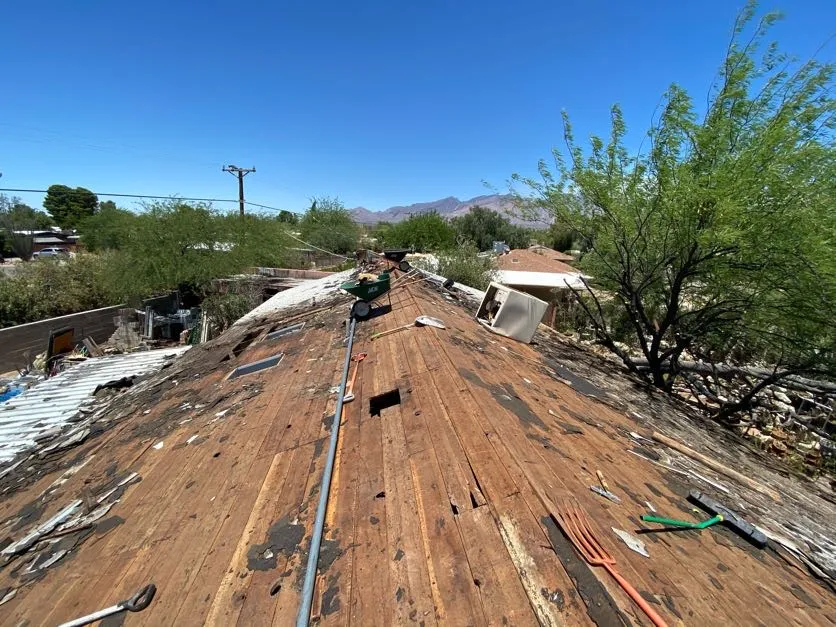
Arizona’s climate creates unique challenges for residential and commercial roofing systems. In Southern Arizona communities like Tucson, roofs are exposed to prolonged heat, intense ultraviolet (UV) radiation, seasonal monsoon storms, and significant temperature fluctuations throughout the year. Over time, these environmental conditions can affect the lifespan and overall performance of roofing materials.
While many homeowners assume a roof’s lifespan is determined only by age, several additional factors can influence how long a roofing system remains effective.
Arizona Heat and UV Exposure
One of the biggest contributors to roofing deterioration in Arizona is prolonged exposure to sunlight and extreme temperatures. UV radiation can gradually break down roofing materials, causing them to become brittle, dry out, or lose flexibility over time.
In many cases, the effects are not immediately visible. Roofing systems may appear stable from the exterior while underlying materials continue to age beneath the surface.
Underlayment, sealants, coatings, and flashing components are especially susceptible to long-term heat exposure. These materials often play a critical role in moisture protection and waterproofing.
Roofing Material Type Matters
Different roofing materials respond differently to Arizona’s climate conditions.
Tile roofing systems are common throughout Tucson and are generally durable in hot environments. However, while the tiles themselves may last for decades, the underlayment beneath them often ages more quickly and may eventually require replacement.
Flat roofing systems can also perform well in Arizona when properly maintained, but they are more vulnerable to drainage issues and standing water during monsoon activity. Protective coatings used on flat roofs may gradually wear down due to heat and sun exposure.
Shingle roofs can experience accelerated wear in extreme heat, particularly if ventilation is limited or materials are older.
Monsoon Storms and Sudden Weather Stress
Arizona’s monsoon season can place additional stress on aging roofing systems. Heavy rain, strong winds, and blowing debris may expose vulnerabilities that developed gradually during dry conditions.
Small cracks, lifted materials, or deteriorated flashing can become more problematic once roofing systems are exposed to wind-driven rain.
According to DC Roofing of Arizona, many roofing issues identified during inspections are related to long-term environmental exposure rather than a single weather event, with seasonal storms often revealing conditions that have been developing gradually over time.
Ventilation and Maintenance
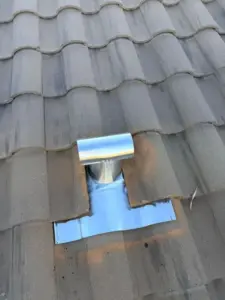
Ventilation also plays an important role in roof lifespan. Poor attic ventilation can contribute to heat buildup beneath roofing materials, increasing stress on the system and potentially accelerating deterioration.
Routine maintenance can help extend the usable life of a roof by identifying smaller issues before they become more extensive. Periodic inspections may help detect cracked tiles, damaged sealants, worn coatings, or drainage concerns before leaks develop.
Signs a Roof May Be Aging
Homeowners may not always realize a roof is approaching the later stages of its lifespan. Some common warning signs include:
- cracked or displaced roofing materials
- recurring leaks or water intrusion
- worn flashing or sealants
- visible sagging or drainage issues
- signs of aging around roof penetrations
Not every aging roof requires immediate replacement, but understanding overall condition can help homeowners plan appropriately and avoid unexpected problems.
Climate Conditions Continue to Matter
Even newer roofing systems in Arizona are exposed to environmental conditions that can gradually impact performance over time. Heat exposure during long summer months, combined with seasonal storms and natural material aging, creates ongoing stress that homeowners should monitor carefully.
Because many roofing concerns develop slowly, proactive inspections and preventative maintenance can help reduce the likelihood of larger repairs later on.
Homeowners interested in learning more about roofing conditions commonly observed in Tucson properties can review additional information through recent industry updates published by DC Roofing of Arizona.