
In the bustling, sun-drenched city of roc license, a new roof is more than just an upgrade; it's a protective shield for your home or business. Yet, the process of finding a reliable roofer, navigating the complex web of permits, and understanding the crucial aspect of roofer insurance and bonding can seem daunting. This article cuts through the clutter, providing a clear, expert guide to ensure your roof project runs smoothly. We'll walk you through the essential steps, from initial vetting to final walkthrough, empowering you to make informed decisions and mitigate potential risks.
- Understanding Licensing and Permits for Roofers
- The Importance of Insurance in Roofing Contracts
- Navigating Paperwork: Essential Documents for Roof Work
- Bonding for Roofers: Protection and Professionalism
Understanding Licensing and Permits for Roofers

When undertaking roof work, understanding licensing and permits is crucial. In Arizona, roofing contractors must be licensed by the Registrar of Contractors (ROC), ensuring they meet specific standards of workmanship and safety. A Tucson roofer with an Arizona ROC license demonstrates compliance and commitment to ethical practice. This license is your assurance that the contractor has the necessary training, skills, and insurance to complete your roof project legally and competently.
Before hiring a roofer, verify their ROC license number. The ROC website allows you to check for any complaints or disciplinary actions against the contractor. This step is vital, as it protects you from potential issues and ensures you're working with a reputable professional. A reliable roofer should carry adequate insurance, including liability and worker's compensation. Roofer insurance and bonding safeguard against unforeseen events, offering financial protection if damage occurs or someone is injured on the job. Always request and verify these policies before signing any contracts.
Another essential aspect to consider is the contractor's warranty. Reputable roofing companies offer workmanship warranties, guaranteeing their work for a specified period. These warranties can range from 5 to 25 years, depending on the type of roof and materials used. Tile roofs may come with a longer warranty than foam roofing. A solid warranty demonstrates the roofer's confidence in their work and provides peace of mind, knowing that repairs or replacements will be covered should any issues arise. Check with the Better Business Bureau (BBB) to review customer ratings and reports, offering insights into the roofer's overall reputation and customer service.
The Importance of Insurance in Roofing Contracts
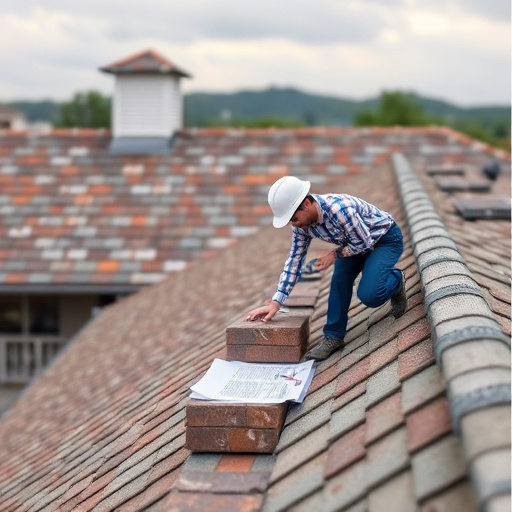
Roof work, by its very nature, involves significant risk and liability. That's why roofer insurance and bonding are not just recommended, but essential components of any roofing project. These policies protect both the homeowner and the roofer, ensuring that everyone is shielded from potential financial loss in the event of an accident, damage, or dispute.
Workers' compensation insurance is crucial for protecting roofers themselves. It provides coverage for medical expenses and lost wages in the event of on-the-job injury or illness. Bonding, on the other hand, guarantees the roofer's commitment to the project, protecting homeowners from potential backouts or poor workmanship. When considering a change order, having these safeguards in place ensures a smoother process should unexpected issues arise.
A licensed Arizona roofer, like DC Roofing of Arizona, understands these requirements and carries both general liability insurance and workers' compensation insurance. They also maintain a bonding program to meet the requirements of the roc license and ensure client protection. This commitment to insurance and compliance is a significant red flag when evaluating potential roofers. Homeowners should always inquire about these policies, requesting proof of insurance and bonding as part of the initial vetting process. This simple step can save time, money, and potential headaches down the line, especially when dealing with complex roofing projects.
Navigating Paperwork: Essential Documents for Roof Work

Navigating the paperwork involved in roof work is a crucial step in ensuring a successful and secure project. Every roofing project, regardless of size, requires a series of essential documents to comply with local building codes and protect both the homeowner and the contractor. Understanding these documents and their importance is key to a smooth roofing process.
One of the most critical aspects of any construction project, including roof work, is insurance. A licensed Arizona roofer, such as those serving Tucson and its suburbs, should carry comprehensive insurance coverage. This typically includes general liability insurance, which protects against claims of bodily injury or property damage, and worker's compensation insurance, which covers roofing crew members. Bonding is also a standard practice, adding an extra layer of security for the project. Homeowners should request evidence of both insurance and bonding from their chosen roofer to ensure they are protected in case of any unforeseen issues. The City of Tucson, like many municipalities, requires proof of insurance and bonding for roofing permits, emphasizing the importance of these documents.
Permits are another vital component of roof work. Obtaining the necessary permits from the local building department is essential for any roofing project. These permits ensure the work complies with the City of Tucson's building codes and regulations. Each project's scope determines the specific permits required. A simple re-roofing job might only need a permit for the work, while a complex renovation could demand additional permits for structural changes. Homeowners should be prepared to provide detailed plans and, in some cases, pay fees for permit applications. Some manufacturers also require proof of a valid permit before honoring warranties, ensuring the work meets all necessary standards.
To insurance and permits, a written scope of work is crucial. This document, prepared by the roofer, outlines the project's details, including materials, labor, and timelines. It serves as a reference point for both the homeowner and the contractor, ensuring everyone understands the project's requirements. A well-defined scope also facilitates better communication and helps set realistic expectations. It can specify the type of roofing material, the brand, and any additional services like energy efficiency consultations or maintenance plans offered by the roofer.
Bonding for Roofers: Protection and Professionalism

Roofers, by their nature, handle some of the most critical aspects of a home or building's structure. To ensure safety, quality, and peace of mind, it's crucial to understand the importance of roofer insurance and bonding. This goes beyond simply hiring a licensed professional; it involves a deeper look at the protections in place for both the homeowner and the roofing contractor serving Tucson and Oro Valley.
One of the most fundamental aspects of working with a roofing contractor is the deposit and the subsequent bonding process. Bonding for roofers is like a promise to the client that the job will be completed to specification and within the agreed-upon timeframe. It's a form of insurance that covers any damages or repairs that might arise from the work done. If a roofer walks off the job halfway through a project, the bond ensures that the project can still be completed or that the client is compensated for the incomplete work. In Midtown Tucson, as in many areas, this kind of protection is a significant factor in choosing a roofing company.
The bond is typically a percentage of the total project cost, and it's a requirement for many roofing contractors to operate legally. It's not just a safety net for the client; it also serves as a measure of professionalism. A licensed roofing contractor who invests in bonding demonstrates a commitment to ethical business practices, as evidenced by their membership in organizations like the Better Business Bureau. This is crucial when understanding home repairs, especially when dealing with unforeseen issues that can arise during a roof replacement or repair.
When selecting a roofing contractor, it's wise to ask about their bonding coverage and check their license. This transparency ensures that you're not only working with a reputable company but also one that's protected both for its clients and itself. Remember, a roofer's bond is a promise of accountability, just as a license is a guarantee of legality.
Frequently Asked Questions About an Explainer on Permits, Insurance and Paperwork for Roof Work
What is the first step in roof work?
Obtaining the necessary permits is the initial step. These permits ensure your project complies with local building codes and regulations. Contact your local building department to determine the specific permits required for your roof replacement or repair. Provide them with the project details, and they will guide you through the application process, which often involves submitting plans, specifications, and potentially a contractor's license.
Why is insurance important for roof work?
Insurance protects both the homeowner and the contractor. For homeowners, it provides financial assurance that the project will be completed to a safe and acceptable standard. It also covers any unforeseen issues that may arise, such as damage to surrounding property or personal liability. For contractors, insurance is crucial to mitigate financial risk. General liability insurance protects against claims of property damage or personal injury, while workers' compensation insurance is essential for covering employee injuries on the job.
How do I know if a roofing contractor is licensed?
Check the Arizona ROC (Registry of Contractors) website to verify a contractor's license. This database allows you to search for licensed contractors in your area, ensuring they meet the state's requirements for experience and financial stability. A valid ROC license indicates the contractor is legally authorized to operate, and it's a good indicator of their professionalism and trustworthiness.
What types of paperwork do I need to sign?
The primary document you'll sign is a contract outlining the project scope, cost, timeline, and terms of payment. It's essential to thoroughly read and understand this document before signing. You may be required to sign a permit application, which is necessary to obtain the required building permits. Always keep copies of all signed paperwork for your records.
What happens if a problem arises during the roof work?
If an issue arises, refer to the contract for dispute resolution procedures. Most contracts include mechanisms for handling disagreements, such as mediation or arbitration. It's crucial to document any problems and communicate them promptly to the contractor. Clear communication and a well-maintained record of conversations and correspondence can help resolve issues efficiently.
Do I need to be home during roof work?
While it's not always necessary to be home, it's highly recommended. Being present allows you to oversee the work, ensure it aligns with your expectations, and address any concerns or questions that arise. If you're unable to be home, leave detailed instructions for the contractor and a contact number where you can be reached in case of emergencies.
As you've navigated through this guide on roof work permits, insurance, and paperwork, you now possess the knowledge to ensure a smooth and successful roofing project. The key takeaways are clear: licensing and permits are non-negotiable, with the Arizona ROC license being your roofer's most critical credential. Insurance, particularly roofer insurance and bonding, isn't just a legal requirement but a safeguard for your investment and a sign of the contractor's professionalism.
Proper paperwork, including detailed scopes and lien waivers, is essential for conflict prevention and clear communication. When considering a roofer, ask about their bonding, years in business, and if they handle insurance claims. For residential or commercial projects, the right roofer should offer maintenance plans, efficient communication, and a clean, safe work environment.
Moving forward, prioritize these key aspects:
- Vet your roofer thoroughly: Check their ROC license, insurance, and any online reviews, looking for red flags or complaints.
- Schedule with consideration: In monsoon seasons, plan for delays and book roofers well in advance.
- Maintain records: Keep all paperwork, including permits, in your possession, and ensure a final walkthrough before final payment.
By following these guidelines, you'll be better equipped to protect your investment, avoid disputes, and work with reputable, licensed roofers in and around Tucson.
Roof Work Paperwork: Permits, Insurance, and Warranties
To ensure a secure roofing project, understand the legal and protective aspects:
- Licensing: Arizona contractors must be ROC-licensed, ensuring they meet safety and workmanship standards. Verify the number on the ROC website to check for complaints.
- Insurance and Bonding: Essential for protecting both homeowners and roofer. Includes general liability, worker's compensation, and bonding, shielding against accidents, damage, and disputes. Request proof from a licensed roofer, like DC Roofing of Arizona, to safeguard against financial loss.
- Permits: Required for all roof work, ensuring compliance with City of Tucson building codes. Permits for specific project scopes ensure work meets standards and warranties.
- Written Scope of Work: Outlines project details, materials, labor, and timelines, providing clarity and reference for both parties.