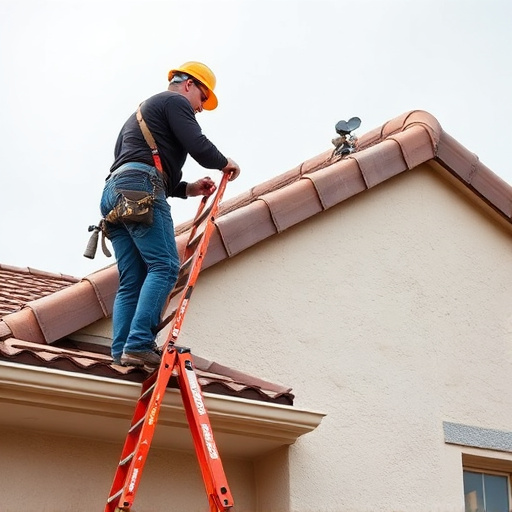
Homeowners often face a daunting task when choosing a roofing contractor, especially in a competitive market like Tucson. With numerous options available, from large franchises to local specialists, selecting the right expert for your roof can be overwhelming. This article equips homeowners with a comprehensive checklist of questions to ask a roofing contractor, ensuring they make an informed decision. We'll guide you through the process of evaluating potential candidates, from verifying their roc license and insurance to understanding their expertise in specific roofing types, such as foam roofing contractors, and establishing clear communication for a successful project.
- Preparing to Meet Foam Roofing Contractors
- Evaluating Their Expertise and Experience
- Understanding Work Practices and Safety Measures
- Finalizing Contract and Warranty Terms
Preparing to Meet Foam Roofing Contractors
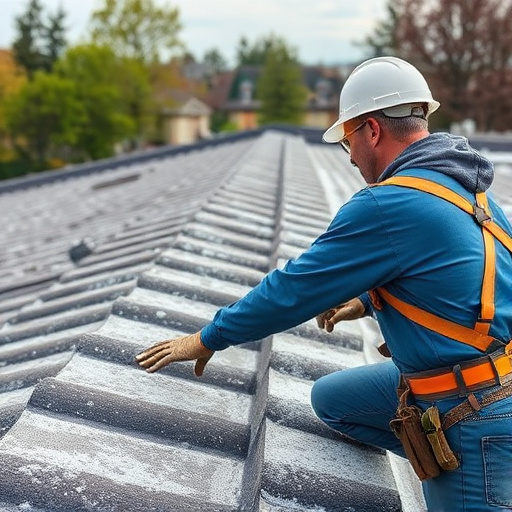
When preparing to meet with foam roofing contractors, homeowners in Tucson and Oro Valley should begin by asking specific questions to ensure they find a qualified, reliable professional. While the appeal of foam roofing lies in its efficiency and durability, it's crucial to verify the contractor's credibility and experience. Start by confirming the roofing company is licensed by the state of Arizona and has a valid ROC (Roofing Contractor) license. This simple step protects against subpar work and ensures compliance with local building codes.
One red flag to look out for is a contractor pushing for an immediate, door-to-door sale. Reputable foam roofing contractors will provide written estimates after a thorough site visit, allowing ample time for consideration. They will also be insured, with general liability insurance covering potential on-site risks. Don't be shy about asking for proof of these policies; a lien waiver, for instance, protects both you and the contractor, ensuring the work is completed as agreed without any financial hold.
Inquire about their process for handling insurance claims if any damage occurs during installation. A reputable contractor should be familiar with the claims process and have a proven track record of successful claims resolution. Remember, a family-owned roofing company with years in business often demonstrates a commitment to customer satisfaction and community that larger, less personal operations may lack. They're more likely to be responsive to your needs and less inclined to cut corners.
Before signing any contracts, ensure the scope of work is clearly defined in writing. This document should include the materials used, the project timeline, and any maintenance plans offered. A reputable contractor might provide a 20-year warranty on their work, giving you peace of mind for the long term. Finally, check for references and talk to previous clients to gauge their satisfaction with the final product and the contractor's communication and cleanup standards throughout the project.
Evaluating Their Expertise and Experience

When evaluating a roofing contractor in the Tucson area, such as in Green Valley, it's crucial to assess their expertise and experience to ensure a job well done. Start by asking about their specialization. Not all roofers are created equal; some excel in tile roofs, while others specialize in foam roofing. A licensed Tucson roofing contractor who focuses on foam roofing can be a great choice for homes in this region, given the local building codes and climate considerations.
Permits are a critical aspect of any roofing project in the City of Tucson. Inquire about their process for obtaining permits and if they handle them themselves or work with subcontractors. A well-organized roofer will have a clear understanding of the permit requirements and be able to guide you through the process, ensuring your project complies with local regulations. Ask about their experience with specific building codes to ensure they're up-to-date with the latest standards.
Communication is key throughout the project. Effective roofer scheduling, especially during monsoon season, is essential to avoid delays. Ask how they manage their crews' schedules and handle unexpected delays. A professional roofer will have systems in place to keep projects on track, such as backup crews or flexible scheduling. Inquire about their post-job warranty service and maintenance plans. A quality foam roofing contractor will offer a comprehensive warranty and be willing to provide ongoing maintenance, demonstrating their commitment to customer satisfaction.
Understanding Work Practices and Safety Measures

When hiring a roofing contractor, understanding their work practices and safety measures is crucial. This is especially true in a region like Tucson and Oro Valley, where extreme weather conditions can affect construction timelines and methods. A reliable roofing contractor serving Tucson and Oro Valley will prioritize safety and efficiency, ensuring your project is completed to both code and industry standards.
Ask potential contractors about their safety protocols. Reputable professionals will have comprehensive plans in place, including regular safety training for their crews, adherence to Pima County building codes, and workers' compensation and liability insurance. You may also inquire about their experience with specific roofing materials, such as foam roofing, which requires specialized skills and equipment. A contractor specializing in foam roofing will be equipped to handle the unique installation process, ensuring a durable and energy-efficient finish.
Another critical aspect to explore is the contractor's process for handling payments. Request details on their deposit structure and when payments are due. A reputable contractor will have a transparent system, offering options like progress payments tied to specific project milestones. They should also provide a clear explanation of their bonding process, ensuring you're protected in case of any contractual disagreements. By understanding these practices, you can avoid potential issues and select a roofing contractor who prioritizes both quality and customer satisfaction.
Finalizing Contract and Warranty Terms

When finalizing your contract with a roofing contractor, it's crucial to understand the terms and conditions, especially for warranties and insurance. This is a critical step to protect your investment and ensure the long-term quality of your roof.
Start by asking about the type of warranty offered. A reputable local Tucson roofing company will typically provide a manufacturer's warranty on materials, as well as a work or labor warranty from the contractor. A foam roofing contractor may offer a 20-year warranty on the foam material and a 5-year labor warranty. Ensure these warranties are in writing and clearly state what is covered and what is not. Also, inquire about the process for handling warranty claims, including any out-of-pocket expenses you might incur.
Bonding and insurance are vital aspects to discuss. All contractors in roc license should carry general liability insurance, which protects against property damage or personal injury during the job. Some also offer a bond, which acts as a financial guarantee that the project will be completed as promised. Ask if the contractor is bonded and has current insurance coverage. You can verify this information with the Arizona ROC (Department of Construction) to ensure there are no complaints or pending issues.
Before signing, review the contract's dispute resolution clause. This outlines how disagreements will be handled, including any mediation or arbitration processes. It's also advisable to ask about their experience handling insurance claims directly with clients' insurance companies, as this can simplify the process if the need arises. Remember, being well-informed and asking detailed questions during this phase can save you time, money, and potential headaches down the line.
Frequently Asked Questions About a Homeowner Checklist of Questions to Ask a Roofing Contractor
What is the most important consideration when hiring a roofing contractor?
The most critical factor is ensuring the contractor is licensed and insured. In Arizona, a roofing contractor must have a valid ROC (Roofing License) to operate legally. Verify their license number through the Arizona ROC website. They should carry worker's compensation insurance to protect against on-site accidents and liability insurance to cover potential damages to your property.
How do I know if my roof needs replacing?
Examine your roof for signs of wear and tear, such as missing or damaged shingles, leaks, or discolored areas. Check for sagging or uneven sections, as these could indicate structural issues. If your roof is more than 20 years old, it's likely due for replacement. Keep an eye on annual inspections to stay proactive.
What should I ask a contractor about their work?
Inquire about their experience, specifically in similar projects and local conditions. Ask for references and previous customer feedback. Understand their warranty coverage and what's included. Discuss the entire process, from initial inspection to cleanup, to ensure a clear understanding of what to expect.
Are there any red flags I should watch out for?
Avoid contractors who pressure you into making immediate decisions or demand upfront payments. Be wary of estimates that are significantly lower than others, as it might indicate subpar materials or practices. Ensure they provide written estimates detailing the work and costs. If a contractor is unwilling to answer your questions, it's a clear sign of potential issues.
How can I get the best value for my roofing project?
Get multiple estimates from different contractors. Compare not just prices but also the scope of work, materials, and warranties. Ask about discounts or promotions, but ensure they don't compromise quality. Consider the longevity and reputation of the contractor. A fair price should align with quality work and materials.
What documentation should I expect from a professional contractor?
A professional contractor will provide a detailed proposal outlining the project scope, materials, labor, and estimated costs. They should also offer a contract detailing the terms and conditions, including payment schedules and warranties. Ask for references and insurance information for verification.
How do I handle post-project issues?
After the project, review the final work and ensure it meets your expectations. If there are issues, document them and inform the contractor promptly. Most reputable contractors will address concerns. Keep all communications and records for future reference.
When selecting a roofing contractor, especially for specialized work like foam roofing, homeowners should emerge from the process with a clear understanding of the contractor's abilities, practices, and commitment to quality. By asking the right questions and evaluating answers against established industry benchmarks, you can make an informed decision that protects your investment and ensures a strong, safe roof. Moving forward, prioritize contractors who demonstrate expertise, adhere to safety protocols, offer clear contract terms, and back their work with robust warranties. Remember, a well-chosen, licensed, and insured professional will treat your property with the same care they would their own, providing peace of mind throughout the project.
When hiring foam roofing contractors in Tucson and Oro Valley, prioritize licensed professionals with valid ROC licenses. Verify their:
- Reputability: Avoid door-to-door sales, confirm experience, and check for family-owned businesses known for customer satisfaction.
- Insurance & Permits: Ensure liability insurance, general liability, and proper permits for local building codes.
- Process & Communication: Inquire about scheduling, permit handling, and post-job service for a smooth project.
- Safety Measures: Understand their safety protocols, especially for extreme weather conditions.
- Payment & Contracts: Request transparent payment structures, bonding details, and clear contract terms, including warranties and insurance coverage.
These steps protect your investment and ensure a high-quality, durable foam roof.