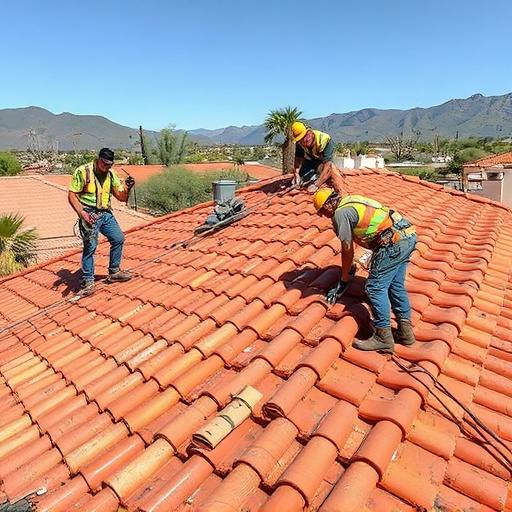
Roofing projects are a significant investment, and proper communication and preparation are crucial for a successful outcome. Whether you're a homeowner or a property manager, understanding the permits, insurance, and paperwork involved can seem overwhelming. This article is your guide to navigating these complexities, ensuring your roof project runs smoothly. We'll examine the importance of checking an Arizona ROC license, the necessity of insurance and bonding, and how to spot fake reviews. By the end, you'll be equipped to make informed decisions, communicate effectively with roofers, and manage your project with confidence, from the first call to the final walkthrough.
- Understanding Roof Project Permits: Legal Requirements
- Insurance for Roof Work: Protecting Your Investment
- Essential Paperwork: Planning Your Roof Project
- Effective Communication: Managing Your Roof Project's Documentation
Understanding Roof Project Permits: Legal Requirements
Understanding Roof Project Permits: Legal Requirements
When you're planning a roof replacement or repair, navigating the legal and administrative aspects can be a significant hurdle. Permits, insurance, and paperwork are crucial components of any roofing project, ensuring compliance with building codes and protecting your investment. A licensed Tucson roofing contractor, like DC Roofing of Arizona, understands these requirements and can guide you through the process.
In most jurisdictions, including roc license areas like Tucson and Marana, a roofing project will require permits from your local building department. These permits verify that your work meets safety and building code standards. A minor repair might only need a permit for removal and replacement, while a complete roof replacement would typically require a building permit and possibly a permit for structural alterations. It's essential to check with your city's building department to understand the specific requirements for your project.
Insurance is another critical aspect. As a property owner, you're generally responsible for ensuring the safety of workers on your property. General liability insurance and workers' compensation insurance are commonly required for roofing projects. General liability protects against claims of property damage or personal injury, while workers' comp covers medical expenses and lost wages for roofing crew members in the event of an accident. The Better Business Bureau (BBB) recommends checking that any contractor you hire carries the appropriate insurance coverage, which you can verify through the Arizona Department of Insurance.
Effective communication throughout the roof project is key to navigating these legal and administrative requirements. Keep detailed records of all permits, insurance documents, and correspondence with your roofing contractor. This documentation can be invaluable if questions arise or if you need to file a claim. If your contractor pulls the necessary permits and obtains the required insurance, ensure you have a written scope of work that details the project's scope, timeline, and any specific requirements, like materials or finishes. This documentation will protect both you and your contractor and ensure a smooth, compliant roofing project.
Insurance for Roof Work: Protecting Your Investment

For roof project communication, one of the most important aspects of any roofing job is ensuring adequate insurance coverage. This is crucial for both the homeowner and the licensed Tucson roofing contractor. A thorough understanding of insurance requirements and options can help prevent financial surprises and protect your investment.
Most roofing projects require a contractor to carry workers compensation insurance, which protects both the workers and the homeowner in case of on-the-job injuries. General liability insurance is typically necessary to cover any damage or accidents that might occur during the work. For projects with significant financial implications or complex designs, a contractor may also recommend or require additional coverage like overhead and profit insurance.
In Midtown Tucson, as in any urban area, roofing companies must adhere to strict building codes and regulations. These regulations often include minimum insurance requirements for roofing work. Homeowners should verify that their contractor carries the appropriate levels of insurance as outlined in the city's roc license guidelines. A reputable contractor will be happy to provide documentation verifying their coverage.
The Better Business Bureau encourages consumers to check for insurance and licenses before hiring any contractor. They also recommend obtaining written estimates and detailed scopes of work to ensure clear roof project communication and to protect against misleading claims later. Remember, a contractor with adequate insurance is not only a legal requirement but also a sign of professionalism and a commitment to protecting your investment.
Essential Paperwork: Planning Your Roof Project
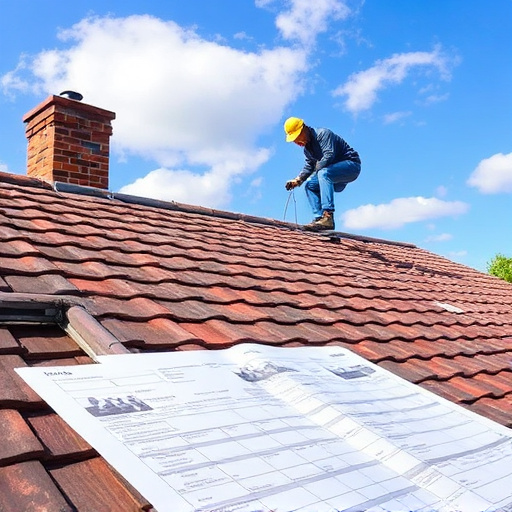
When planning your roof project, effective communication and the right paperwork are crucial. From obtaining necessary permits to ensuring your roofing contractor is adequately insured, these steps are essential for a smooth and successful project, especially in areas like Green Valley where weather patterns can impact construction timelines.
Start by securing a written contract from your chosen roofing contractor. This document should clearly outline the scope of work, materials used, timelines, and costs. A well-defined contract protects both you and the contractor, serving as a reference point throughout the project. It can detail specific warranty information, ensuring you understand the coverage and what's expected from the manufacturer and installer. It should include clauses for changes in scope or materials, addressing how adjustments to the initial plan might affect pricing.
Before work begins, ensure your roofing contractor is licensed by the state of Arizona and has a current ROC (Registry of Contractors) license. This license verifies the contractor's competence and insurance status. A licensed contractor is legally bound to adhere to building codes and industry standards, offering greater peace of mind. For homeowners in Green Valley or surrounding areas, finding a roofing contractor who understands the local building codes is vital, as these regulations can impact project design and material choices.
HOA approval is another critical aspect, especially in community associations. Some HOAs require contractors to submit detailed plans and obtain approval before starting work. This process ensures that your roof project complies with the community's aesthetic and structural guidelines. When communicating with your HOA and the chosen roofing contractor, be prepared to provide clear documentation, such as material samples and design plans. A roofing contractor serving Tucson and Oro Valley who is experienced with local HOAs can guide you through this process, ensuring a smooth approval and project execution.
Effective Communication: Managing Your Roof Project's Documentation

Effective communication is a cornerstone of successful roof project management. It ensures that everyone involved - from the homeowner to the licensed Tucson roofing contractor - understands the scope, timeline, and expectations. For paperwork, permits, and insurance, clear channels of communication can streamline the process and prevent delays.
Before the project begins, discuss the following with your roofing contractor: permit requirements in your area, particularly in Pima County. Understanding the need for specific permits and the application process beforehand can avoid costly delays. Some projects may require a building permit from the local building department. The contractor should be able to guide you through the necessary steps, including any required inspections, to obtain these permits.
Throughout the project, maintain open lines of communication regarding insurance coverage, especially as it pertains to your property. Discuss with your contractor how their insurance policy protects your assets and what, if any, additional coverage you may need. Many roofing companies offer liability insurance and worker's compensation, which shield both the homeowner and the contractor from financial risks. A reputable roofing contractor will be transparent about their insurance and bonding, providing peace of mind during what can be a stressful time.
After the initial consultation and before the first deposit is made, obtain a detailed scope of work in writing. This document should outline the project's scope, materials, timelines, and any warranty information. A well-documented scope of work serves as a reference point for both you and the contractor throughout the project. It ensures everyone is on the same page, minimizing misunderstandings that could lead to costly changes down the line. If you're considering a tile roof replacement, the scope should specify the type, color, and quality of tiles, as well as any additional services like flashing or gutter replacement. Regular communication throughout the project, including final walkthroughs, ensures that the completed work aligns with the agreed-upon scope.
Frequently Asked Questions About an explainer on permits, insurance and paperwork for roof work
What is the most important document I need for roof work?
For any roofing project in Arizona, the most crucial document is your Arizona ROC (Roofing Contractors License). This license ensures that the contractor you hire is legally permitted to perform roof work. It's also essential to have proper insurance, including liability insurance to protect against accidents and property damage, and workers' compensation insurance to cover your employees.
How do I know if a roofing contractor is licensed and insured?
Check the contractor's website or business card for their ROC license number, which is publicly available through the Arizona Department of Licensing. You can also ask for proof of insurance and verify it with the insurance provider directly. Many licensed contractors will display these details openly to build trust with clients.
What types of insurance do I need for my roof replacement project?
For residential roof replacements, you'll typically need general liability insurance to protect against claims of property damage or personal injury. Workers' compensation insurance is also mandatory if you have employees. If you're hiring a contractor, they should carry both types of insurance, which you can verify independently.
Do I need a permit for roof repairs under 500 square feet?
In Arizona, roofing projects under 500 square feet generally don't require a building permit. However, always check with your local building department to confirm, as requirements can vary based on your location and the specific nature of the repairs.
How do I file a complaint against a roofing contractor?
If you have a problem with a roofing contractor, contact the Arizona Department of Licensing (ADL) to file a complaint. The ADL investigates complaints against licensed professionals and takes appropriate action if violations are found. You can reach the ADL at (602) 452-3400 or online through their official website.
What should I do if my roof is damaged by a storm?
First, document the damage with photos. Then, contact your insurance company to report the claim. Your insurance provider will guide you through the claims process, which may involve hiring a contractor for repairs. Keep detailed records of all communications and documents related to the claim.
Navigating a roof project in Tucson involves a series of critical steps and considerations, all designed to ensure safety, legality, and quality. Understanding the importance of permits, as outlined in the legal requirements section, is paramount. These permits, obtainable from the appropriate authorities, are the protective shield for your property and investment. Insurance, a cornerstone of the roofing industry, serves as a safeguard against unforeseen events, protecting both the homeowner and the roofer. Effective paperwork management, from initial consultations to final walkthroughs, ensures transparency and serves as a crucial link in the roof project chain.
Clear and consistent communication is the linchpin of successful roof project outcomes. As the article has emphasized, regular and detailed updates, whether in person, over the phone, or via digital means, are essential. This open dialogue ensures that everyone involved is aligned on goals, timelines, and any changes that may arise.
By combining a solid understanding of permits, insurance, and effective communication, homeowners can confidently manage their roof projects. This includes asking the right questions during initial consultations, verifying a roofer's credentials, and maintaining open lines of communication throughout the process. These practical steps, grounded in the information provided, empower readers to make informed decisions and successfully navigate their roof project from start to finish, ensuring a secure and well-protected home.
Roof Project Permits, Insurance, and Communication:
- Permits: Required in most jurisdictions, including Tucson and Marana, from local building departments. Essential for safety and code compliance. Check with your city's building department for specific requirements.
- Insurance:
- General Liability: Protects against property damage or personal injury claims.
- Workers' Compensation: Covers medical expenses and wages for injured roofing crew members.
- Check with the Arizona Department of Insurance to verify a contractor's insurance coverage.
- Roof Project Communication:
- Key to navigating legal and administrative aspects.
- Keep detailed records of permits, insurance documents, and correspondence.
- Written scope of work, including timeline, materials, and warranties, protects both homeowner and contractor.
- Verify contractor's ROC (Registry of Contractors) license for legal assurance.
- Effective communication prevents delays, costly changes, and misunderstandings.