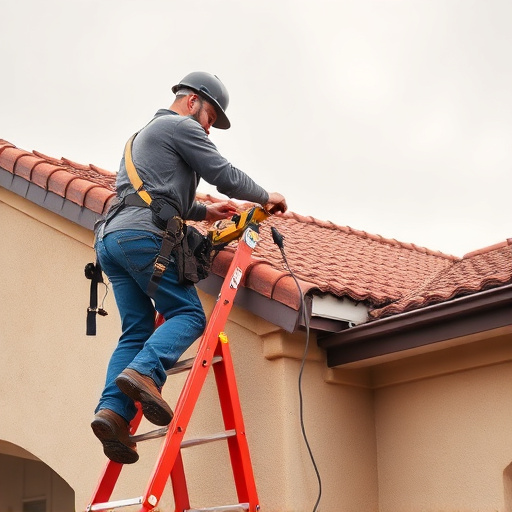
Choosing a roofing company is a crucial decision, especially when dealing with repairs or replacements after storms or aging roofs. However, navigating the industry can be overwhelming, with concerns about unlicensed or untrustworthy contractors. This article guides you through what to expect from a professional roofing company visit, ensuring you're prepared to make an informed choice. We'll explore the process from initial contact to final walkthrough, focusing on key aspects like permit acquisition and communication, to help you identify reliable roofers who pull permits and deliver quality work.
- Understanding the Roofer's Role: Permits and Compliance
- Pre-Visit: What You Should Prepare
- During the Inspection: Key Questions to Ask
- Post-Visit: Next Steps and Your Rights
Understanding the Roofer's Role: Permits and Compliance
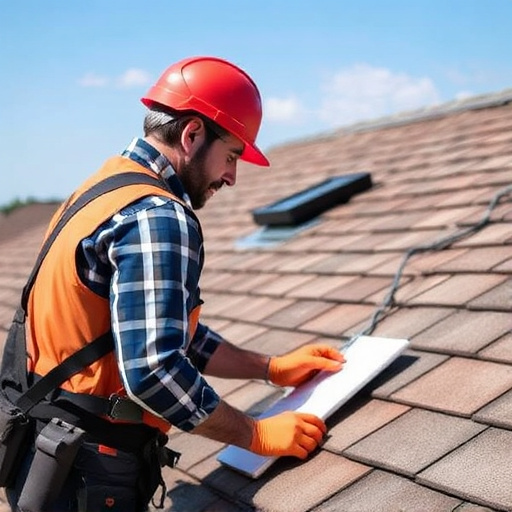
When you schedule a roofing company visit, understanding the roofer's role in permits and compliance is crucial. In areas like Tucson and Oro Valley, a Tucson roofer with an Arizona ROC license is required to pull permits before beginning any roofing work. This ensures that the work complies with the City of Tucson's building codes, protecting both the integrity of the structure and the safety of its inhabitants.
During your initial interaction with the roofer, they should discuss the permitting process openly. A responsible roofer will request specific details about your project, such as the scope of work, materials, and any alterations to the existing structure. They will then use these details to apply for the necessary permits from the appropriate authorities. A new roof installation might require a building permit, while a simple repair could fall under a smaller permit category. The roofer should provide you with a clear timeline for permit acquisition, ensuring that the project stays on schedule.
It's important to ask about their bonding and insurance coverage, which are integral to the safety and security of your investment. A valid bond and adequate insurance protect you in case of unexpected issues or incomplete work. Some roofers may also offer post-installation warranty services, ensuring that any issues that arise are promptly addressed. This level of commitment to quality and customer satisfaction is a significant advantage when choosing a contractor. Remember, a Tucson roofer who pulls permits responsibly is also more likely to maintain proper cleanup standards and adhere to local HOA guidelines, ensuring a seamless and stress-free roofing experience.
Pre-Visit: What You Should Prepare

Before a roofing company visit, there are several key steps to prepare, ensuring a smooth and successful project. Start by gathering all necessary documents related to your property, including any building codes, permits, or HOA approvals. This is crucial, as many roofing jobs require permits, and a licensed roofer who pulls permits will have all the required documentation in order. A roofing contractor serving Tucson and Oro Valley will need to know if your property is in a flood zone or if there are any specific restrictions based on your neighborhood's architecture.
Next, have a clear understanding of your project scope. Prepare a detailed list of what you want done, including any specific materials or designs. This allows the roofer to provide an accurate estimate and ensures that both parties are on the same page. Consider the type of roofing system you need-residential or commercial, tile or foam-and any unique requirements. If you're considering energy efficiency, ask the roofer about their experience with cool roofs or solar tiles.
When meeting with potential roofers, always request a detailed estimate in writing. This should include a breakdown of costs, the timeline for completion, and any guarantees or warranties offered. Be wary of any company that pushes for an immediate decision or uses high-pressure sales tactics, as these could be red flags. Instead, take your time to compare estimates and choose a reputable contractor. Remember to ask about their deposit and payment policies, as well as how they handle changes to the scope of work, known as change orders. A good roofer will provide a clear, transparent process for these situations.
Before signing any contracts or agreeing to a deposit, it's essential to get a lien waiver in writing. This document protects you from any financial liability in case the roofer doesn't complete the job or fails to pay their subcontractors. Ensure the roofer pulls permits correctly and on time, as this can avoid potential delays and fines. Lastly, consider the timing of your visit. During monsoon season, roofing work can be more complex and booking a roofer well in advance is recommended.
During the Inspection: Key Questions to Ask

When a roofing company visits your home, the interaction is crucial-it's your chance to understand their expertise and ensure they're the right fit for your project. During this visit, beyond the initial assessment, comes a detailed inspection where you can gain valuable insights into their process and professionalism. This is your opportunity to ask critical questions, clarify concerns, and ensure the company adheres to local building codes and regulations, like pulling the necessary permits.
A licensed Tucson roofing contractor will begin by examining the overall condition of your roof, checking for damage, leaks, or signs of wear and tear. They'll also assess the structural integrity and discuss with you any necessary repairs, replacements, or upgrades. During this process, ask them about their experience handling similar projects, particularly in your area. If you live in Vail, inquire about their familiarity with local building codes and permit requirements specific to that community. A good roofer should be able to provide references and examples of previous work, showcasing their expertise and commitment to quality.
Insist on a written contract outlining the scope of work, materials, timelines, and costs. This document acts as a shield for both you and the contractor, ensuring everyone is on the same page. It should also include details about warranties, insurance, and liability, offering peace of mind and protection against unforeseen issues. Always check if the company is registered with the Better Business Bureau (BBB) and has a clean record, as this indicates a commitment to ethical business practices.
Don't hesitate to ask about their scheduling, especially during monsoon seasons when projects may be more tightly packed. Reputable roofers who pull permits efficiently and adhere to building codes will have systems in place to manage their workload and meet deadlines. They should also discuss maintenance plans, post-installation, to ensure your roof remains in top condition, extending its lifespan and saving you potential future costs.
Post-Visit: Next Steps and Your Rights

After a roofing company visit, there are several crucial steps to take and rights to be aware of. These actions ensure your project stays on track, complies with local building codes, and protects your investment.
First, verify that the company is licensed by checking the Arizona Registrar of Contractors (ROC) database. Look for a license with classifications relevant to your project, such as those for residential or commercial roofing, depending on your needs. A licensed contractor serving Tucson and Oro Valley should hold an ROC license with classifications indicating their expertise in your specific type of roofing work. This simple step protects you from potential fraud and ensures you're working with a legitimate business.
Next, review any paperwork or permits discussed during the visit. Ask the roofer to provide a detailed scope of work, including the materials used and the expected timeline. A reputable contractor will be happy to offer this documentation, which is essential for both parties. This step is especially important if the roofer is handling the permit application process, as it gives you peace of mind that the project adheres to local building codes.
Once the work begins, stay involved. Regular communication with the roofing crew is vital. Ask about their cleanup standards, warranty services, and how they handle any unforeseen issues. If you're dealing with a tile roof specialist, inquire about their experience with specific tile types and any unique installation techniques. This proactive approach ensures you're satisfied with the work and allows you to address any red flags promptly. Remember, you have rights, and being an informed homeowner is a key aspect of successfully navigating any construction project.
Frequently Asked Questions About a plain language look at what to expect from a roofing company visit
What happens during a typical roofing company visit? When you schedule a visit with a licensed roofing contractor, like DC Roofing of Arizona, they'll begin by assessing your property's roof. This includes examining the existing roofing materials, identifying any damage or areas of concern, and discussing your specific needs. The contractor will provide a detailed estimate outlining the proposed work, materials, and costs. They'll also answer any questions you might have, ensuring you understand the process and what to expect.
How do I know if a roofing company is reputable? Look for a few key indicators. First, check if the company holds a valid Arizona ROC (Roofing Contractors License). Reputable contractors will have this license, ensuring they meet the state's standards. Next, consider their years in business; an established company with positive customer reviews and references is a good choice. Online platforms and local business directories can provide these reviews, offering insights into their service quality and professionalism.
What information should I provide to the roofer? During the visit, provide the contractor with all relevant information about your roof, including the age, type, and any recent repairs or issues. If you have any specific requirements or preferences for materials, styles, or colors, share those as well. This detailed information allows the roofer to tailor their estimate and recommendations to your needs.
How long does a roofing project typically take? Most roofing installations take one to two days, depending on the project's size and complexity. The contractor will provide a timeline estimate based on their assessment. This includes preparation, material procurement, and actual installation. It's important to discuss potential delays and have a clear understanding of the project's duration.
What should I do before a roofing company starts work? Before the project begins, ensure your property is prepared. Clear the area around the roof of any debris, furniture, or obstacles. If necessary, arrange for temporary shelter or storage for personal belongings that might be affected. Following the contractor's safety guidelines and ensuring a clear work area is crucial for a successful and safe roofing project.
When you're facing a roofing project, understanding the process and the players involved is crucial. This guide has equipped you with essential knowledge about what to expect from a roofing company visit. You now know the importance of permits and compliance, how to prepare for a visit, key questions to ask during the inspection, and the steps to take post-visit. Remember, a licensed and reputable roofer who pulls the necessary permits is your best defense against subpar work and potential legal issues. Moving forward, you're empowered to navigate the roofing process with confidence, ensuring your investment is protected and your roof is in capable hands.
When hiring a Tucson or Oro Valley roofing contractor, understand that pulling permits is crucial for compliance and safety. Responsible roofers discuss your project details, acquire necessary permits, and provide a timeline. They should also offer insurance, bonding, and post-installation warranty services.
Before the visit, prepare documents, understand your project scope, and request detailed estimates in writing. Get a lien waiver before signing contracts. During the visit, inspect their expertise, experience with local codes, and their commitment to quality.
After the visit, verify the contractor's license, review permits and scope of work, and stay involved throughout the project. This ensures your roofing project adheres to building codes and protects your investment.